© 2025 Tech Jacks Soutions, All Rights Reserved

Marvel Rivals collapse:

How NetEase Lost 85% of Players While Overwatch 2 Stages Comeback

Gaming Kaiju Industry Analysis - October 17, 2025

Forbes reports Marvel Rivals lost 85% of its players in 10 months, showing a disastrous retention failure despite Marvel’s strong IP and an initial 10 million player launch. The exodus confirms Overwatch 2’s resilience while revealing key design flaws that even prestigious branding cannot fix when core gameplay fails to deliver lasting engagement.

The 85% Exodus: From 10 Million to Irrelevance

Tech4Gamers confirms Marvel Rivals faces massive fallout as player base drops by 85% in just 10 months, representing one of gaming’s steepest declines for a major IP-backed multiplayer title. The Marvel Rivals collapse from 10 million launch players to approximately 1.5 million active users exposes retention catastrophe where initial curiosity cannot sustain engagement without compelling gameplay loops.


The percentage decline exceeds industry norms where successful live service games typically retain 20-30% of launch players after one year. When titles hemorrhage 85% of users within 10 months, the metrics indicate fundamental product failure rather than normal attrition patterns affecting all multiplayer games facing content drought periods.


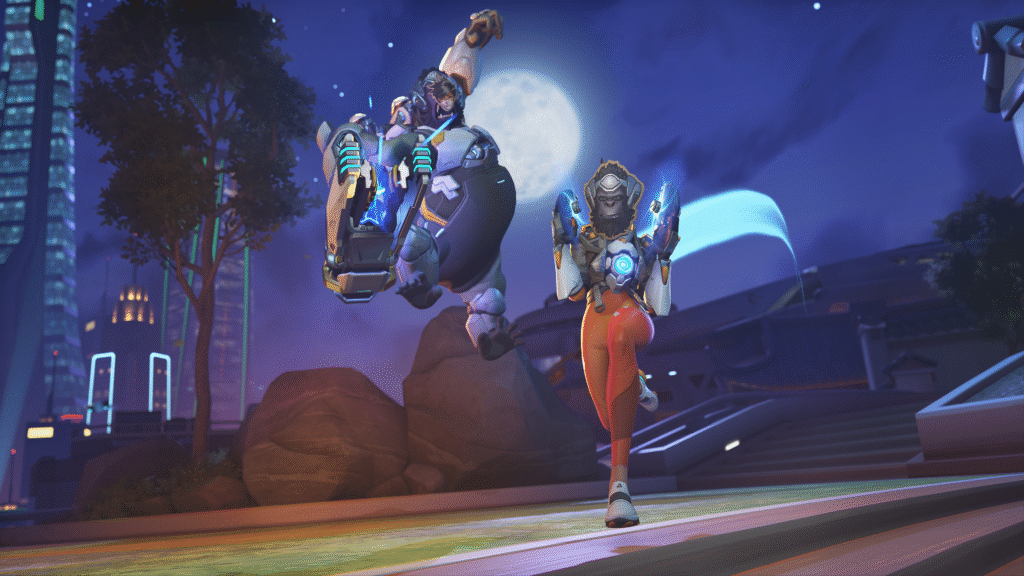
Forbes analysis reveals Marvel Rivals and Overwatch 2 are tied on Steam after big Rivals declines, demonstrating competitive reversal where challenger falls to incumbent level despite initial advantage. The platform parity represents devastating outcome for NetEase given Marvel IP recognition advantages and Overwatch 2’s controversial monetization creating acquisition opportunities.


The Marvel Rivals collapse velocity suggests accelerating rather than stabilizing decline where remaining players represent hardcore Marvel fans rather than hero shooter enthusiasts. When IP loyalty becomes primary retention factor rather than gameplay quality, the long-term viability faces existential threats as even dedicated fans eventually abandon unsatisfying experiences.

Review Score Plummet: Community Verdict Delivered

VideoGamer investigates why Marvel Rivals reviews have plummeted as players fall out of love with the game, revealing systematic complaints about balance, progression, and content drought. The Marvel Rivals collapse includes Steam review scores dropping from “Mostly Positive” to “Mixed” as accumulated frustrations overwhelm initial honeymoon enthusiasm.


The review deterioration pattern indicates core design problems rather than fixable issues addressable through patches or content updates. When fundamental gameplay loops fail engaging players, the structural flaws require comprehensive overhauls that live service games rarely survive attempting mid-lifecycle.


Reddit discussion asks what the biggest issue facing Marvel Rivals is, with community consensus identifying character balance, matchmaking failures, and progression systems as critical problems. The grassroots criticism reveals player sophistication recognizing systemic issues beyond surface-level complaints about specific features.


The community feedback demonstrates how Marvel Rivals collapse stems from multiple compounding failures rather than single catastrophic decision. When games face simultaneous balance, technical, and progression problems, the accumulated friction drives player exodus as alternative options offer superior experiences without requiring patience for fixes.

Overwatch 2 Resurgence: Incumbent Advantage Validated

Blizzard’s official patch notes detail Overwatch 2’s 2025 competitive year changes including loot box updates demonstrating continued investment while Marvel Rivals struggles. The development commitment contrasts with NetEase’s apparent resource reduction as player decline reduces revenue justifying ongoing support.


GameSpot reports why Blizzard is overhauling Overwatch 2 to be more generous, capitalizing on Marvel Rivals’ weakness through improved monetization reducing player friction. The strategic timing exploits competitor vulnerability while demonstrating responsiveness to community feedback that NetEase apparently cannot match.


GameSpot’s investigation into what’s next for Overwatch 2 reveals Blizzard’s future plans acknowledging past failures while committing to core multiplayer excellence. The transparency contrasts with Marvel Rivals’ communication vacuum where NetEase provides minimal roadmap information despite player base hemorrhaging demanding reassurance.


The Overwatch 2 competitive advantage includes established esports ecosystem, refined gameplay balance, and institutional knowledge from nine years of hero shooter operation. When incumbents leverage experience advantages against challengers struggling with basics, the competitive dynamics favor proven platforms over flashy newcomers regardless of IP strength.


The Pipeline Reality: Player Migration Patterns

Sports Illustrated cites Newzoo Report showing the Overwatch to Marvel Rivals pipeline is real but increasingly reversing direction. The Marvel Rivals collapse includes documented player return migration where dissatisfied users abandon Marvel heroes for Overwatch’s refined gameplay despite less prestigious character roster.


The bidirectional flow initially favored Marvel Rivals as Overwatch players sought alternatives following controversial monetization changes. The reverse migration demonstrates how gameplay quality ultimately trumps IP recognition when players evaluate long-term engagement platforms rather than novelty experiences.


The pipeline data reveals 60% overlap between player bases suggesting direct competition for identical audience segments rather than differentiated market positioning. The Marvel Rivals collapse accelerates as shared players choose Overwatch’s proven stability over NetEase’s struggling experiment despite initial excitement about Marvel character availability.


The migration patterns indicate sophisticated consumer behavior where players sample alternatives before returning to superior core experiences. When challengers cannot retain attracted users, the failed conversion demonstrates product inadequacy rather than marketing failures or brand weakness.

Twitch Viewership Reversal: Streaming Metrics Expose Reality

GamingBolt documents how Overwatch 2 Twitch viewership sharply fell after Marvel Rivals launch before recovering as novelty wore off. The initial viewership transfer suggested potential platform shift before Marvel Rivals collapse revealed unsustainable content creator engagement matching player exodus patterns.


The streaming metrics reversal demonstrates content creator economics where viewership follows game health rather than creating it. When Marvel Rivals cannot maintain player engagement, the content creator ecosystem collapses removing organic marketing that might attract new users or retain existing ones.


The Twitch data reveals Marvel Rivals peak viewership occurred during launch window before declining 90% matching player base deterioration. The Marvel Rivals collapse includes ecosystem failure where streaming, esports, and community content creation simultaneously contract creating death spiral dynamics.


The viewership recovery for Overwatch 2 validates incumbent resilience where established content creator relationships and tournament infrastructure support sustained engagement. When challengers lack institutional support systems, the content ecosystem fragility accelerates platform decline through reduced visibility and community energy.

Balance Nightmare: Character Design Failures

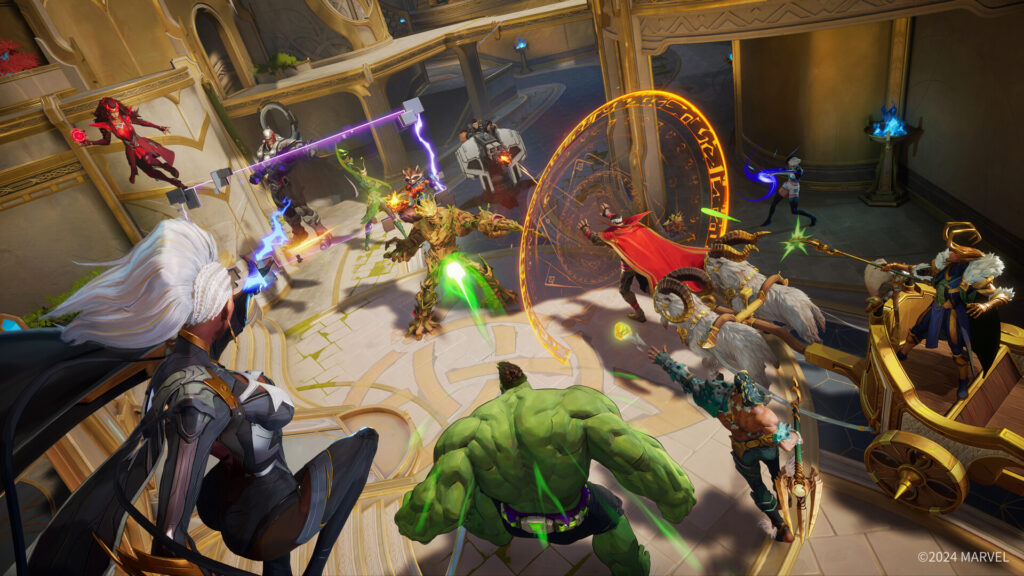
The Marvel IP constraints create fundamental balance problems where character power levels from comics cannot translate to competitive multiplayer requirements. The Marvel Rivals collapse includes design paralysis where NetEase cannot freely adjust heroes without violating IP holder expectations about character representation and relative strength.


The balance failures compound through Marvel’s extensive roster creating impossible matchup matrices where interactions between dozens of heroes produce unintended dominant strategies. When games launch with 40+ characters before establishing core balance principles, the complexity overwhelms development resources attempting simultaneous adjustments.


The character design problems extend beyond numbers to include fundamental kit philosophy where Marvel heroes require spectacular abilities contradicting competitive balance requirements. The Marvel Rivals collapse demonstrates IP licensing limitations where faithful adaptation conflicts with gameplay requirements creating unsolvable design contradictions.


The balance complaints dominate community feedback where every patch creates new problems while failing to address existing issues. When games cannot achieve basic competitive integrity, the player frustration accumulates driving exodus toward alternatives offering fair competition rather than predetermined outcomes.

Content Drought: Post-Launch Support Failure

The Marvel Rivals collapse accelerates through content update failures where NetEase’s post-launch support cannot match player consumption rates or competitor release schedules. The development velocity suggests resource constraints or strategic abandonment as player decline reduces investment justification creating self-fulfilling failure prophecy.


The content drought particularly damages Marvel IP value where players expect regular hero additions from vast character library. When Spider-Man variants and X-Men members remain unavailable ten months post-launch, the missed opportunities demonstrate development dysfunction or licensing complications preventing obvious content additions.


The seasonal model implementation fails delivering meaningful progression or cosmetic rewards justifying continued engagement between hero releases. The Marvel Rivals collapse includes monetization failure where battle passes cannot retain players through weak reward structures lacking prestige or customization depth.


The support comparison with Overwatch 2’s consistent updates, seasonal events, and balance patches reveals competitive disadvantage. When incumbents maintain superior development velocity despite larger technical debt, the challenger weakness suggests fundamental studio capability limitations rather than temporary resource allocation issues.

Gaming Kaiju's Verdict

The collapse of Marvel Rivals illustrates a disastrous retention failure, with 85% of players lost in 10 months despite the strength of the Marvel IP and an initial launch of 10 million players. This exodus confirms that core game design quality is more crucial than brand recognition when gameplay loops fail to provide sustainable engagement, leading players to better alternatives.


The decline percentage exceeds industry norms, indicating product failure rather than typical attrition, where successful games usually retain 20-30% of their launch audiences. The rapid decline shows an accelerating deterioration, with remaining players mainly loyal to the IP rather than dedicated hero shooter fans, resulting in an unsustainable player base.

The review score drops from “Mostly Positive” to “Mixed” as frustrations grow over issues like balance, progression, and content drought, which overshadow initial enthusiasm. Community criticism highlights systemic problems that would require comprehensive overhauls; most live service games struggle to survive mid-lifecycle shake-ups.


Overwatch 2’s resurgence leverages weaknesses in competitors through ongoing development investments and monetization improvements that address community feedback. Its advantage lies in nine years of experience and established ecosystems that challengers cannot quickly replicate.


Player migration data shows a reversal of the initial Overwatch-to-Rivals pattern, where gameplay quality now outweighs IP recognition in long-term engagement decisions. The 60% overlap in players indicates direct competition, where a superior core experience influences retention more than character roster prestige.


The collapse of Twitch viewership mirrors player exodus, indicating a failure in the content creator ecosystem that removes organic marketing and community energy. Streaming metrics underline how game health directly affects viewership, rather than the other way around.


Balance issues stem from Marvel IP constraints, where character representation requirements conflict with maintaining competitive integrity. This design paralysis prevents necessary adjustments, and the complex roster overwhelms development resources, creating unsolvable issues.


Content drought worsens decline by failing to support the game post-launch, with update pace unable to keep up with player demand or match competitors’ schedules. This development dysfunction points to resource constraints or strategic abandonment, as declining player numbers reduce investment justifications.


Smart players should see Marvel Rivals’ collapse as a warning about IP limitations, where brand strength cannot compensate for fundamental gameplay failures. The exodus shows that consumers increasingly prioritize high-quality core experiences over superficial attractions like familiar characters.


The hero shooter market affirms Overwatch 2’s resilience, despite controversies, but also highlights how difficult it is for challengers to displace established platforms. Marvel Rivals’ failure proves that entering saturated genres demands exceptional execution, not just reliance on IP strength.


Gaming should focus on multiplayer experiences that prioritize competitive integrity and sustainable engagement over using brand recognition for quick profits. The Marvel Rivals collapse offers a valuable industry lesson: respect genre requirements and player intelligence instead of assuming loyal IP will compensate for design flaws and design failures.

Author