© 2025 Tech Jacks Soutions, All Rights Reserved
Amazon’s gaming collapse devastates the tech giant’s AAA ambitions as mass layoffs shrink development teams, and the New World MMO faces a death sentence after only four years. WebProNews reports Amazon axes AAA gaming dreams amid mass layoffs, confirming the trillion-dollar company’s spectacular failure penetrating gaming despite unlimited resources. The retreat symbolizes the industry’s most costly failure, where billions invested yielded no sustainable franchises, while competitors with a fraction of Amazon’s budget create gaming phenomena.
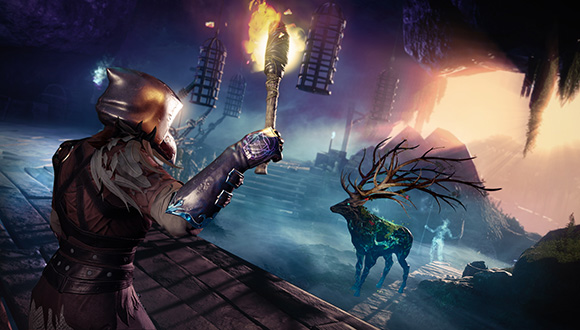
Forbes confirms Amazon Games ends support for MMO ‘New World’ following mass layoffs, killing the company’s only marginally successful game. The Amazon gaming collapse involves leaving 900,000 launch players who invested time and money into the promised persistent world now facing shutdown.
GamesRadar laments Amazon is killing one of the only good games it’s released, with Season 10 and Nighthaven serving as final content. The sudden cancellation following recent updates shows corporate betrayal, where players were assured support while executives prepared to shut down.
Reddit’s MMORPG community discusses Amazon mass layoffs hitting New World, revealing developer exodus preceding official cancellation announcement. The staffing hemorrhage explains the decline in update quality and the increase in bugs, which sped up player abandonment.
The MMO’s failure after investing over $500 million shows a disastrous return on investment, where Amazon’s resources couldn’t fix fundamental game design issues. The collapse of Amazon’s gaming efforts proves that money can’t replace creative vision and industry expertise.
PC Gamer reveals Amazon Games making major layoffs while shifting focus to Luna cloud gaming platform, admitting “we have made the difficult decision to halt a significant amount of our first-party AAA game development.” The Amazon gaming collapse involves a strategic pivot acknowledging creative development failure.
Reddit’s Games community analyzes Amazon Games unit hit by layoffs halting significant AAA development and shifting online strategy. The layoffs impact hundreds of developers who joined believing in Amazon’s commitment to gaming.
Grand Pinnacle Tribune reports Amazon shutters game studios amid massive layoffs, confirming multiple facility closures beyond individual project cancellations. The infrastructure dismantling signifies a permanent retreat rather than a temporary restructuring.
The AAA abandonment after years of recruitment and studio construction wastes billions in sunk costs. The Amazon gaming collapse demonstrates how corporate impatience expects immediate returns from industries that require decade-long development cycles.
TechBuzz reports Amazon axes MMOs, pivots to AI party games in gaming shakeup revealing embarrassing strategic downgrade. The Amazon gaming decline involves shifting away from high-profile projects to simple mobile-style casual games that need little creative effort.
The focus on AI party games suggests Amazon is pursuing low-effort content that relies on machine learning rather than human creativity. When tech giants replace developers with algorithms, the lack of soul in the output becomes obvious.
The shift from AAA ambitions to AI-generated party games indicates that Amazon admits it cannot compete creatively with established studios. The collapse of Amazon’s gaming efforts reflects a failure in premium gaming, while still trying to generate content automatically.
The strategy of making party games aims at casual audiences who are least likely to produce long-term engagement or high revenue. When companies abandon their core gaming roots for casual experiments, it shows a basic misunderstanding of the industry’s economics.
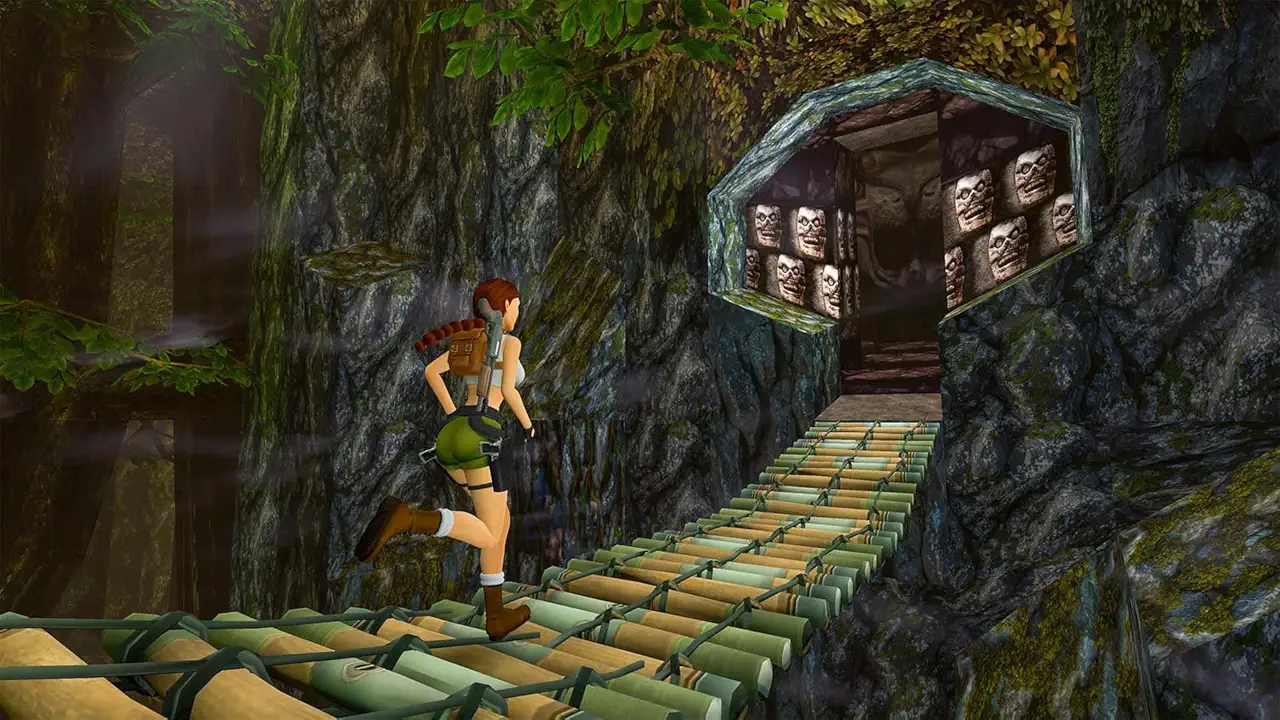
GamesIndustry.biz notes Amazon cuts AAA game development but confirms new Tomb Raider title as sole surviving project. The Amazon gaming collapse spares only licensed property where established IP reduces creative risk.
The Tomb Raider continuation suggests Amazon believes that branded content is a safer investment than developing original IP. When companies rely solely on licensed properties, their creative cowardice prevents breakthrough innovation.
The exception proves the rule: Amazon abandons creative risk-taking for guaranteed recognition through established franchises. The Amazon gaming collapse shows a preference for marketing over game design, where familiar brands replace quality.
The licensed approach indicates Amazon treats games as content commodities rather than as creative expressions. When tech companies view gaming through a streaming content lens, their fundamental misunderstanding leads to continued failure.
The shift toward Luna’s cloud gaming platform reflects a desperate attempt to salvage gaming investments through an infrastructure pivot. The Amazon gaming collapse involves doubling down on failed cloud gaming despite Google Stadia’s spectacular demise, which demonstrated market rejection.
Luna’s tiny user base and limited game library cannot compete with established platforms or even failed competitors. When Amazon prioritizes dead-end technology over creative development, the strategic confusion guarantees ongoing losses.
The focus on cloud gaming ignores consumer preferences for ownership and local performance over streaming limitations. The Amazon gaming collapse worsens by pursuing technological solutions to creative challenges.
The emphasis on Luna suggests Amazon believes that technical infrastructure is more important than compelling content. When platforms lack exclusive games worth playing, the delivery mechanism becomes irrelevant regardless of technical sophistication.
ADV analyzes how much Amazon made in gaming sectors, revealing massive losses across all gaming initiatives. The Amazon gaming collapse results in billions of losses with no profitable quarters, despite unlimited investment capacity.
The financial disaster involves development costs, studio acquisitions, marketing expenses, and infrastructure investments that generate negative returns. When trillion-dollar companies can’t make gaming profitable, the failure goes beyond simple market challenges.
The losses extend past direct costs to include opportunity costs where resources could have yielded returns elsewhere. The Amazon gaming collapse shows how corporate arrogance wastes shareholder value by pursuing industries they fundamentally misunderstand.
The financial failure proves that the gaming industry requires specific expertise, as money alone cannot fix creative and cultural shortcomings. When outsiders try to disrupt established industries through capital instead of innovation, predictable failures occur, following historical patterns.
Amazon’s gaming failure marks the most costly in industry history, where unlimited resources yielded no lasting successes. The abandonment of New World after over $500 million in investment betrays its remaining players and highlights creative bankruptcy.
The MMO shutdown after four years wastes player investments and developer careers to boost quarterly earnings. Season 10, now the final content, reveals corporate dishonesty, with executives aware of the closure while promoting updates.
The halt in AAA development admits to a fundamental inability to compete with established studios despite unlimited funding. This strategic retreat acknowledges that money cannot replace creative vision and industry know-how that Amazon lacks.
The shift to an AI party game is an embarrassing downgrade from high ambitions to algorithm-generated casual content. This abandonment of creativity for automated generation shows Amazon’s basic misunderstanding of gaming as an art form.
The Tomb Raider franchise’s reliance on licensed IP rather than original risk-taking demonstrates a marketing-focused approach over innovative game design.
Amazon’s emphasis on the Luna platform doubles down on failed cloud gaming, as Stadia’s demise proves the market rejection. This obsession with infrastructure ignores content quality and focuses solely on technical fixes.
Financially, billions have been wasted across all gaming initiatives, producing no profitable quarters. These losses illustrate that money alone cannot overcome deficits in creative and cultural understanding.
Mass layoffs end hundreds of careers, yet the executives responsible for the failures remain employed. The human toll is ignored by quarterly reports, while talented developers suffer from leadership failures.
Savvy observers should see Amazon’s gaming collapse as proof that passion, not just profit, is essential to gaming. The failure underscores that outsiders cannot disrupt the creative industries with capital alone.
The gaming industry needs publishers to understand it as an art form, not just a content commodity for platform distribution. Amazon’s flop proves that tech giants’ money cannot substitute for the creative vision and cultural insight necessary for success.