
Main Navigation Menu
© 2025 Tech Jacks Soutions, All Rights Reserved
© 2025 Tech Jacks Soutions, All Rights Reserved
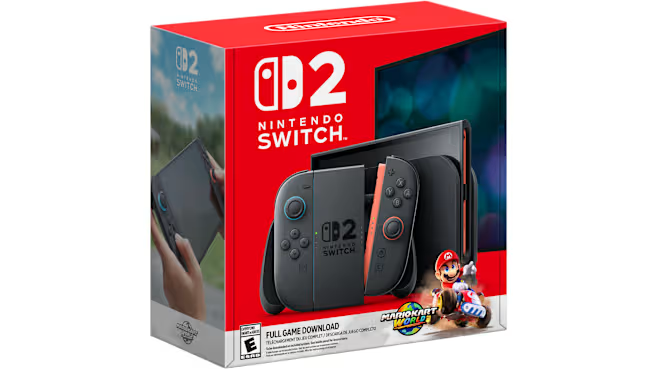
Nintendo Switch 2’s dominance has exceeded industry expectations with 10.36 million units sold in just four months, beating the original Switch’s growth by five months despite launching with few exclusive titles. Game Informer reports Nintendo Switch 2 sales have surpassed 10 million units, confirming Nintendo’s hardware-focused approach while competitors struggle with software-dependent platforms. The remarkable success without must-have games shows the strength of Nintendo’s brand, which goes beyond traditional launch needs as loyalty to Nintendo’s ecosystem fuels ongoing purchases.
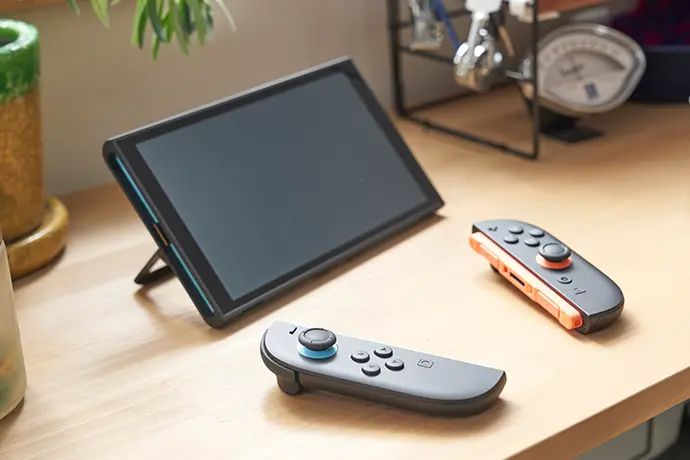
Nintendo’s official financial results confirm 10.36 million Switch 2 units sold through October 31, 2025, establishing new records for platform adoption velocity. The Nintendo Switch 2’s dominance achieves in four months what PlayStation 5 took nine months to accomplish, despite Sony launching with Spider-Man: Miles Morales and Demon’s Souls exclusive content.
Nintendo Everything details financial results showing Switch 2 at 10.36 million units while original Switch reaches 154.01 million lifetime sales. The parallel success proves Nintendo’s ability to maintain two platforms simultaneously without cannibalization, creating a unique market position where upgrade cycles complement rather than replace existing hardware.
GamesRadar confirms massive momentum continues with Switch 2 hitting the milestone 5 months faster than the original Switch. The acceleration despite launching into a saturated market where 154 million Switch owners already exist defies conventional wisdom about market saturation and upgrade fatigue.
The achievement of 10 million units occurs during typically slow summer months rather than the holiday season launch window. When platforms succeed without seasonal advantages, it shows that the demand is genuine rather than artificially boosted through timing manipulation. The dominance of the Nintendo Switch 2 sets a new baseline, where 2.5 million monthly sales become expected instead of exceptional.
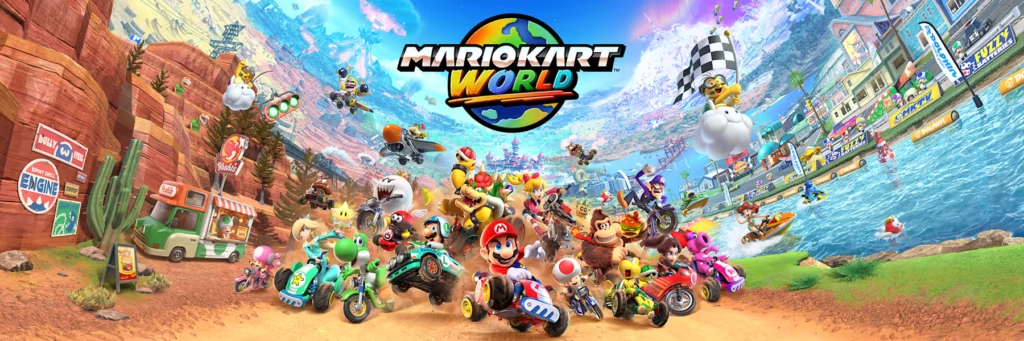
Reddit’s gaming community questions why Switch 2 sells so well when “there are basically no Switch 2 exclusive games beyond Mario Kart World.” The Nintendo Switch 2’s dominance challenges traditional analysis, which suggests exclusive software alone drives hardware adoption. However, Nintendo demonstrates that ecosystem investment goes beyond the importance of individual titles.
The answer lies in Nintendo’s shift from a game company to a lifestyle brand, where purchasing hardware signifies membership rather than just utility. When consumers buy the Switch 2, they are investing in future Nintendo experiences instead of current software libraries, showing unprecedented confidence in the company’s content pipeline despite having few launch exclusives.
Backward compatibility, combined with enhanced performance, transforms existing Switch libraries into improved experiences that justify a hardware upgrade. The dominance of the Nintendo Switch 2 builds on the 154 million Switch owners’ digital collections, where thousands of owned games run better on the new hardware, creating immediate value without the need for new purchases.
Parents buying the Switch 2 for children represent a demographic that is less concerned with exclusive titles and more focused on Nintendo’s family-friendly reputation and durability. When gift-givers select gaming hardware, trust in the brand matters more than the launch lineup, explaining why demand remains steady despite software limitations.
Investing.com reports Nintendo shares surge on robust earnings with Switch 2 forecast upgrade exceeding analyst expectations. The dominance of the Nintendo Switch 2 directly boosts shareholder value as markets see long-term success rather than just a temporary launch boost.
The Edge Singapore reveals Morningstar lifts Nintendo’s target price 77% expecting 22 million Switch 2 sales in first year. The analyst’s confidence reflects the understanding that current momentum is a beginning rather than a peak, with the holiday season and major software releases still ahead.
Nintendo Life confirms Nintendo increases forecast even further following better-than-expected sales performance. The ongoing upward revisions in forecasts show that even Nintendo underestimated demand, indicating cautious planning that aims to meet rather than miss targets.
The stock performance supports Nintendo’s strategy of prioritizing profitability over market share, as each Switch 2 generates profit unlike competitors selling hardware at a loss. The dominance of the Nintendo Switch 2 demonstrates sustainable business models that beat growth-at-any-cost approaches when companies value profitability alongside expansion.

Invezz reports Nintendo ramps up Switch 2 production as demand outpaces forecasts by significant margins. The dominance of the Nintendo Switch 2 causes manufacturing challenges as component suppliers struggle to meet unexpected volume demands despite advanced planning.
The increase in production from the initial 15 million annual target to a potential 25 million units represents a 67% capacity expansion, requiring major supply chain adjustments. When demand surpasses forecasts by such a margin, logistics complexity grows exponentially as each component needs scaled procurement.
Nintendo’s ability to secure components amid ongoing chip shortages demonstrates strong supplier relationships and financial flexibility. The dominance of Nintendo Switch 2 benefits from Nintendo’s conservative financial management, which enables cash purchases and premium pricing for guaranteed allocations when competitors face shortages.
The production challenges include maintaining quality control while speeding up manufacturing. When companies rush production to meet demand, defect rates tend to increase. However, Nintendo upholds industry-leading reliability standards, indicating exceptional operational excellence during scaling.
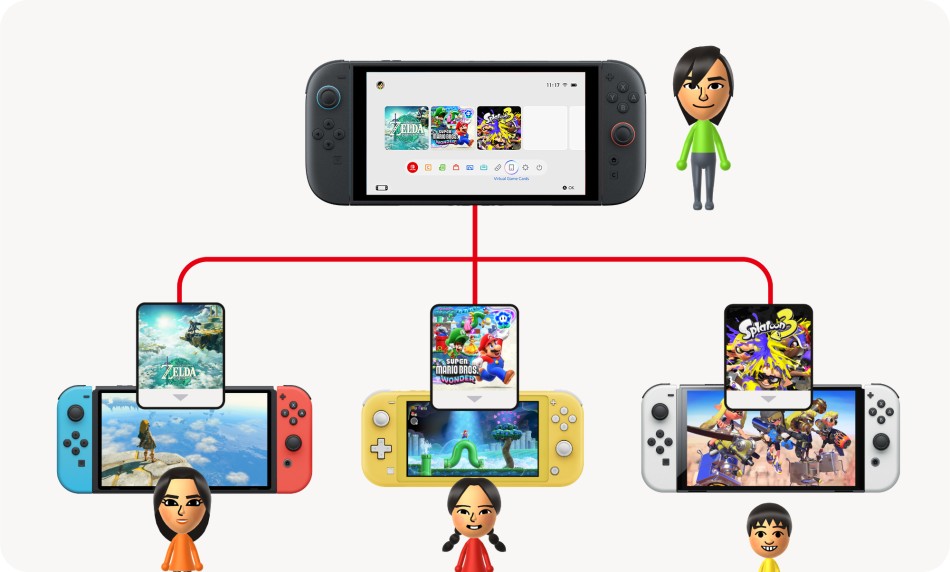
Crunchyroll documents Nintendo Switch 2 hardware vastly outpacing software sales creating unusual attachment rate dynamics. The dominance of the Nintendo Switch 2 includes a peculiar phenomenon where owners purchase few new games, instead relying on backward compatibility and free-to-play titles.
The software attachment rate below 1.5 games per console marks a historic low for a successful platform launch. When hardware succeeds without significant software sales, it calls for a reevaluation of business model assumptions, as traditional razorblade economics do not apply to hardware that generates immediate returns.
The pattern indicates that Switch 2 owners are waiting for specific upcoming titles rather than buying available options. The dominance of the Nintendo Switch 2 shows that consumers are exercising patience, investing early to secure hardware before the inevitable shortages that come with major releases, learning from the scarcity frustrations of the previous generation.
The software situation improves significantly with Zelda: Echoes of Wisdom and Metroid Prime 4 approaching their 2026 release dates. Once Nintendo’s first-party titles activate, attachment rates rapidly increase as dormant hardware owners suddenly purchase multiple games at once.
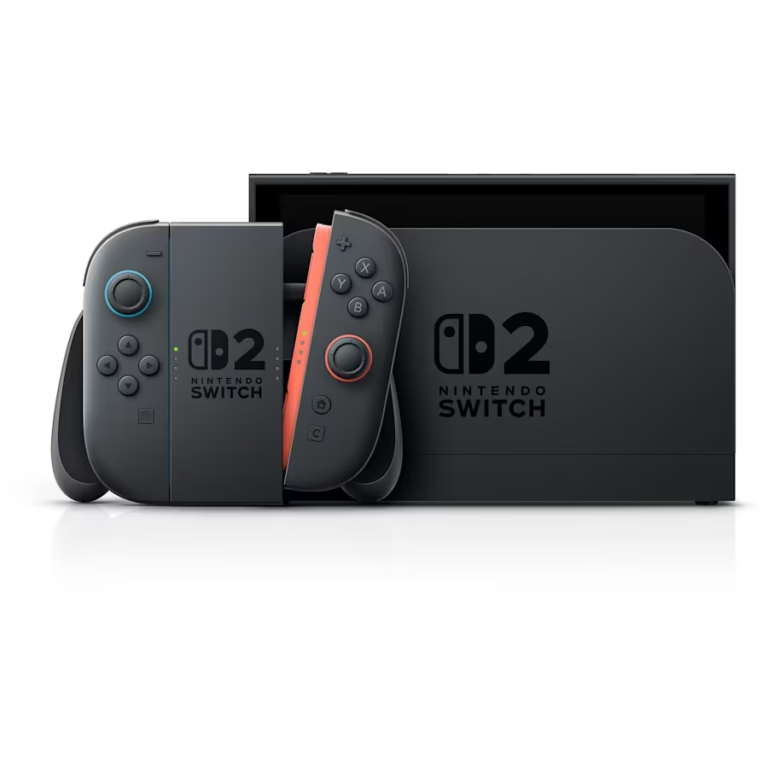
The dominance of the Nintendo Switch 2 includes the OLED model, which accounts for 65% of sales despite costing $100 more than the LCD version. The preference for the more expensive variant shows that consumers are willing to pay for quality when they see value, contradicting race-to-the-bottom pricing strategies.
The success of the OLED version generates additional profit margins, with the premium model earning $40 more profit per unit than the standard version. When most consumers choose the more expensive options, revenue increases faster than unit sales, creating compounded financial benefits beyond simple volume growth.
The improved screen quality justifies the price premium, even though the processing power is the same. The dominance of the Nintendo Switch 2 emphasizes the importance of display quality, where visual experience matters more than spec sheets—especially for portable gaming, where the screen is the main point of interaction.
The success of the premium model encourages Nintendo to maintain multiple SKUs instead of a single configuration. When market segmentation works well, the added complexity of product strategy is worthwhile because it maximizes margins and increases consumer choice.
Nintendo Switch 2′ s dominance, with 10. 36 million sales in four months, breaks records despite minimal exclusive software, proving that the brand goes beyond traditional launch requirements. The five- month growth compared to the original Switch shows momentum building rather than market saturation, despite 154 million units already sold.
The success without exclusive games challenges traditional analysis but highlights Nintendo’ s evolution into a lifestyle brand where hardware purchases represent ecosystem membership. Backward compatibility leverages existing libraries to create immediate value, and parents trust Nintendo’ s family- oriented reputation regardless of launch titles.
The stock market surge, with a 77% target price increase, confirms sustainable success rather than a launch spike. The focus on profitability, with hardware generating quick returns, contradicts competitors’ loss- leading strategies and demonstrates the strength of Nintendo’ s business model.
Production ramping up from 15 to 25 million units annually shows demand surpassing projections by 67%. Securing components during chip shortages reveals Nintendo’ s strong supplier relationships and financial flexibility.
Software attachment rates below 1. 1.5 games per console suggest owners are waiting for specific 2026 releases instead of buying available titles. This patience reflects confidence in Nintendo’ s upcoming pipeline despite limited current content.
The OLED model capturing 65% of the market at a $100 premium indicates consumers are willing to pay for quality displays. The profit margin increases through this premium preference generate additional benefits beyond just higher unit sales.
Hitting 10 million units sold during slow summer months, rather than holiday seasons, demonstrates real demand. Monthly sales of 2. 5 million, now a baseline rather than an exception, set new performance standards.
Nintendo’ s upward revisions of forecasts after better- than- expected performance show the company’ s initial estimates were conservative. These projections are designed to be surpassed, maintaining credibility.
Smart investors should see Nintendo Switch 2′ s success as proof of patient, profitable growth rather than chasing aggressive market share. The results, achieved without reliance on software, underscore the importance of hardware quality and brand loyalty, which create self- sustaining momentum.
The future of gaming belongs to companies that build lasting relationships rather than transactional exchanges. Nintendo Switch 2′ s dominance exemplifies how ecosystem investment can transcend individual product cycles through generational loyalty and trust.